
10 CSID Foods to Avoid for Better Digestive Health

The bottom line
People with CSID cannot break down the sugars sucrose and maltose. Sucrose is a sugar found in fruits and is also known as table sugar; maltose is the sugar found in grains. This guide focuses on avoiding high-sucrose and starchy foods. CSID is a disease with very variable enzyme activity.
This is general information, not medical advice. Ask your doctor or pharmacist about your own situation.
Key takeaways
- Undigested sugars move to the large intestine, where they attract water and are consumed by normal bacteria, causing intestinal discomfort.
- Signs of CSID usually appear after an infant is weaned and starts to consume fruits, juices, grains and other starchy food.
- Read ingredient labels thoroughly and look out for terms like corn syrup, modified starch or sugar.
- Sucraid, a prescription medicine, does not break down some sugars found in foods that have starch, such as wheat, rice and potatoes.
- Untreated, these digestive problems can lead to malnutrition and an inability to gain weight and grow at the expected rate.
Managing Congenital Sucrase-Isomaltase Deficiency (CSID) doesn’t have to be overwhelming. In this guide, I’ll share the top 10 foods to avoid to minimize digestive discomfort and help you regain control of your health. By understanding the surprising culprits behind your symptoms and learning smarter dietary swaps, you can start making changes that truly matter. Let’s explore practical tips for building a lifestyle that supports better digestion and well-being.
Foods to Avoid for Managing CSID
| Food Category | Examples | Reason to Avoid | Suggested Alternatives |
|---|---|---|---|
| High-Sucrose Fruits | Bananas, Mangoes, Pineapples | Rich in sucrose, difficult to digest | Berries, Green Apples, Melons |
| Starchy Vegetables | Potatoes, Corn, Peas | High starch content triggers symptoms | Broccoli, Spinach, Zucchini |
| Processed Grains | White Bread, Pasta, Crackers | Contains excessive starch | Almond Flour Bread, Zucchini Noodles |
| Sweetened Dairy | Flavored Yogurts, Sweetened Milk, Ice Cream | Hidden sucrose and starch thickeners | Plain Unsweetened Yogurt, Almond Milk |
| Sugary Snacks | Candy, Cookies, Pastries | Loaded with sucrose | Stevia Cookies, Unsweetened Dark Chocolate |
| Processed Meats | Sausages, Deli Meats, Bacon | Hidden starches and sugar fillers | Fresh Chicken, Ground Turkey |
| Breaded and Fried Foods | Chicken Nuggets, Onion Rings, Fish Sticks | High starch content in breading | Grilled Chicken, Roasted Vegetables |
| Sugary Beverages | Sodas, Fruit Punch, Energy Drinks | High sucrose levels | Cucumber Mint Infused Water, Herbal Tea |
| Legumes | Lentils, Beans, Chickpeas | High starch content | Eggs, Grilled Chicken |
| Packaged Foods | Snack Bars, Instant Noodles, Frozen Meals | Hidden starches and sugars | Fresh Vegetables, Homemade Meals |
Scroll sideways to see every column.
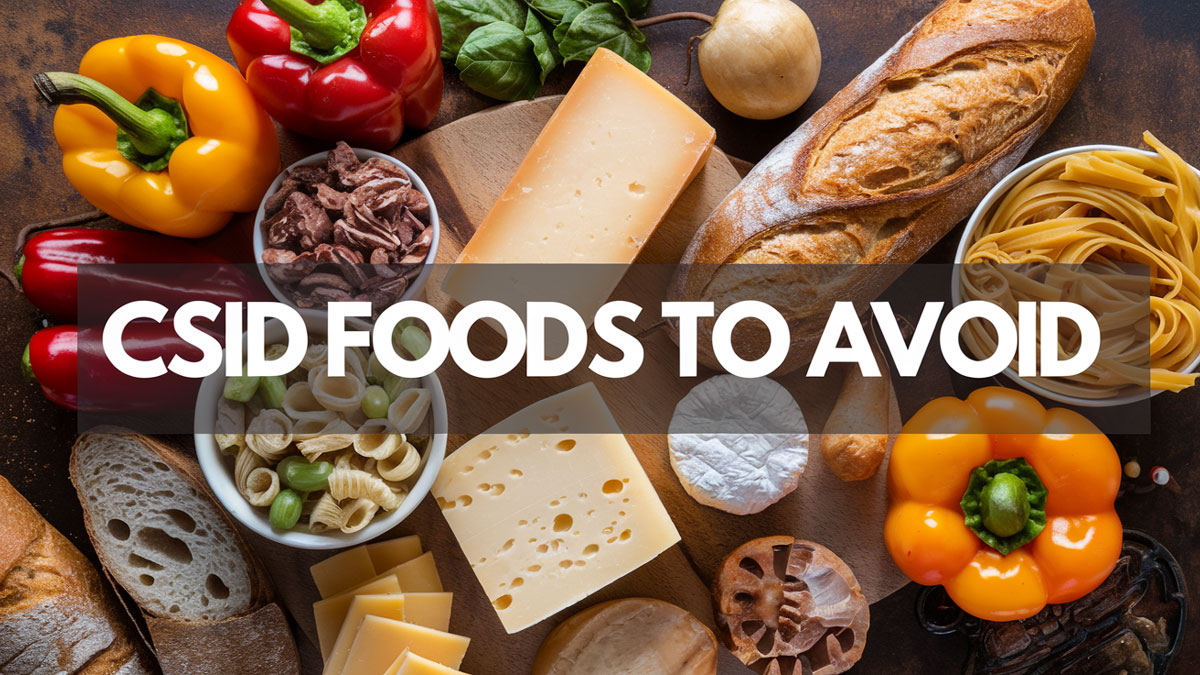
1. Avoid Fruits High in Sucrose and Starch
Many fruits, including bananas, mangoes, and pineapples, are naturally rich in sucrose and starch. These can be particularly challenging for individuals with CSID, as their digestive systems lack the necessary enzymes to break down these compounds effectively.

Fruits to Avoid for CSID
Why it’s important:
Consuming high-sucrose fruits can lead to symptoms like bloating, diarrhea, or even malabsorption over time. Despite their healthy reputation, these fruits are best avoided or eaten in moderation, depending on individual tolerance.
How to manage:
- Opt for fruits like berries, melons, and green apples, which are lower in sucrose and starch.
- Gradually test small portions of higher-sucrose fruits under medical guidance to understand your tolerance.
Example:
A CSID patient reported significant improvement after replacing daily banana snacks with a small bowl of strawberries, a fruit they found easier to digest.
2. Say No to Starchy Vegetables
Vegetables such as potatoes, peas, and corn are starchy and can cause significant discomfort for those with CSID. The starch in these foods is made of sugar molecules that people with CSID cannot break down without the sucrase-isomaltase enzyme.
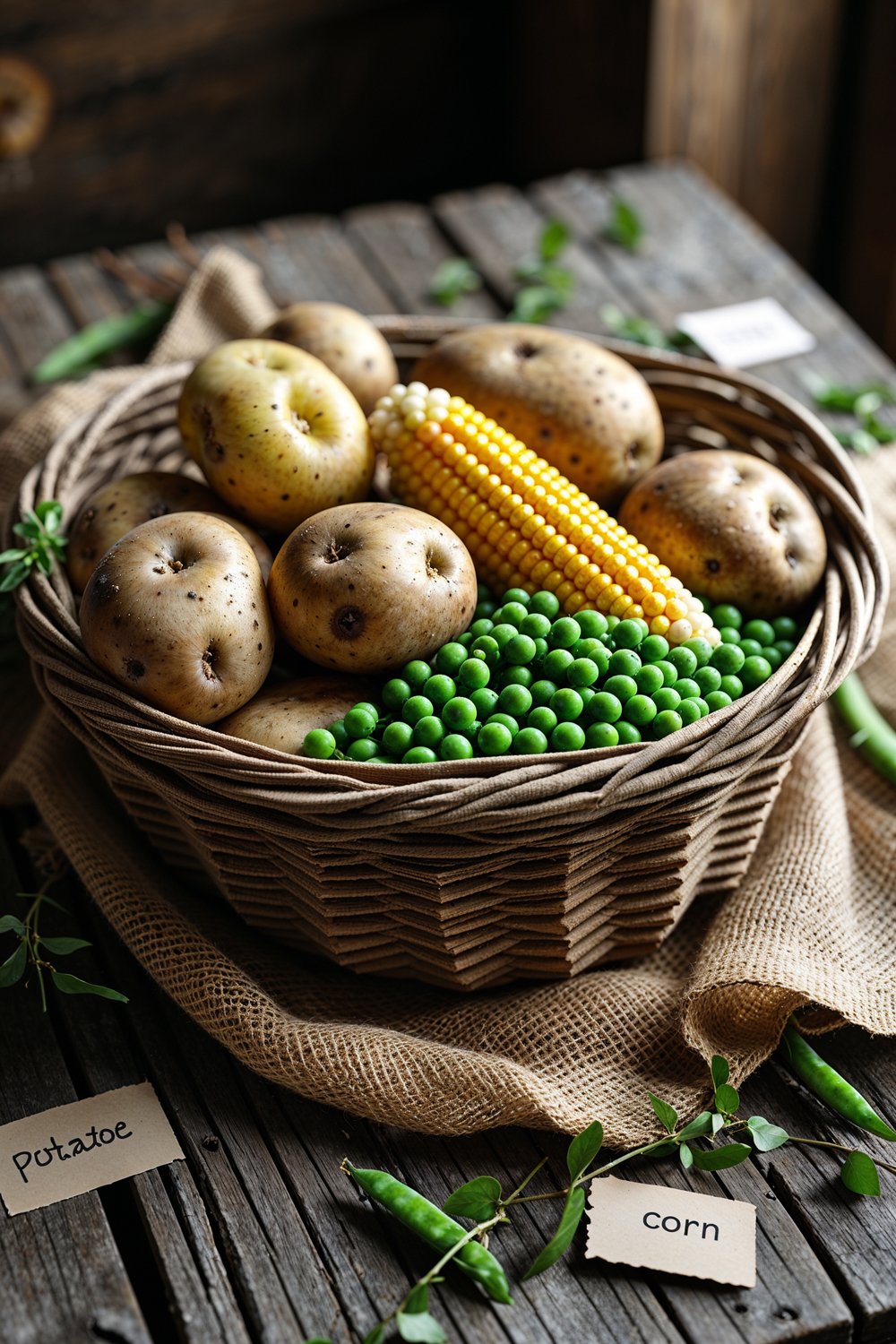
Starchy Vegetables to Skip
Why it matters:
Starchy vegetables can not only cause immediate symptoms but may also lead to nutrient malabsorption, affecting overall health over time.
How to implement:
- Replace starchy options like mashed potatoes with mashed cauliflower or roasted zucchini.
- Incorporate low-starch vegetables like spinach, broccoli, and cucumbers into your meals.
Pro tip:
Steam your vegetables lightly to retain nutrients while making them easier to digest.
3. Steer Clear of Processed Grains
White bread, crackers, and pasta are staples in many diets, but they often contain high levels of starch that are unsuitable for CSID patients. Additionally, whole-grain options may also be problematic due to their carbohydrate content.
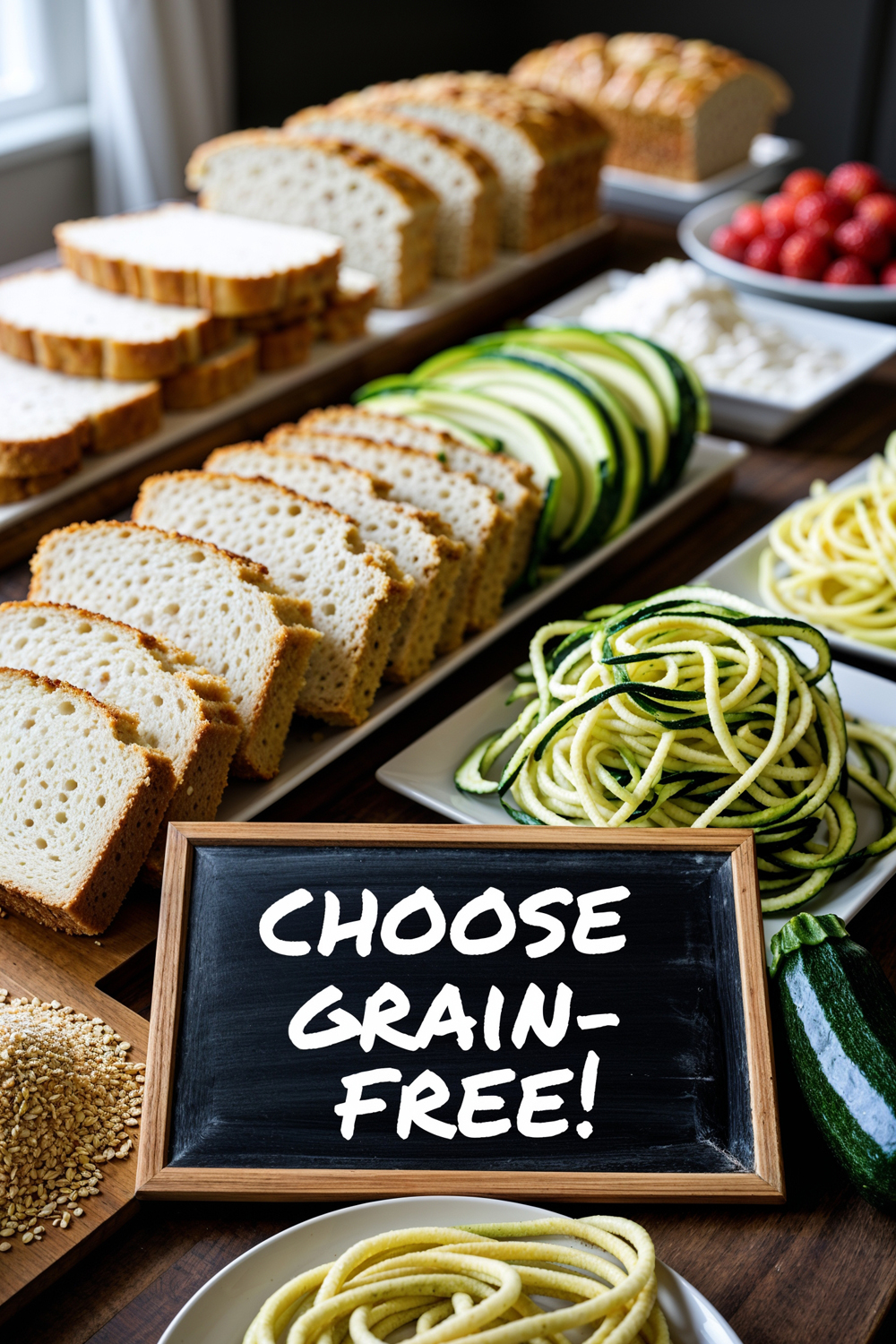
Processed Grains and Alternatives
Why it’s problematic:
These grains can overload the digestive system, triggering bloating and gas while providing minimal nutritional benefit for someone with CSID.
How to manage:
- Transition to grain-free alternatives like almond flour, coconut flour, or cassava flour for baking and cooking.
- Look for pre-made grain-free breads and pasta in health food stores.
Example:
One family reported success by using zucchini noodles instead of traditional pasta, significantly reducing post-meal discomfort.
4. Avoid Sweetened Dairy Products
Many flavored yogurts, milkshakes, and ice creams contain hidden sucrose or starch-based thickeners, making them unsuitable for individuals with CSID.

Sweetened Dairy Products to Avoid
Why it matters:
These sweetened dairy products can significantly spike sucrose levels in your diet, exacerbating symptoms. Even lactose-free options can contain added sugars.
How to manage:
- Choose plain, unsweetened yogurt or alternative milk products like almond milk or unsweetened coconut milk.
- Experiment with dairy-free frozen desserts made from coconut or cashew milk.
5. Skip Sugary Snacks and Sweeteners
Candies, cookies, and pastries are often loaded with sucrose, while sweeteners like brown sugar, honey, and molasses can sneak into everyday recipes and packaged foods.

Sugary Snacks to Avoid
Why it’s critical to avoid:
These sugary treats not only aggravate symptoms but can also contribute to blood sugar spikes and energy crashes, worsening overall health.
Pro tip:
Switch to natural sweeteners like stevia, monk fruit, or erythritol to safely satisfy your sweet cravings.
6. Minimize Processed Meats
Processed meats like sausages, hot dogs, and deli meats often contain added starches and sucrose to improve flavor and texture.

Processed Meats with Hidden Starches
How they affect you:
Hidden sugars and fillers in these products can easily trigger symptoms, especially when consumed in large quantities.
How to manage:
- Read product labels carefully to check for ingredients like “modified food starch” or “sugar.”
- Opt for fresh, unprocessed meats and prepare them at home to ensure no hidden ingredients.
Example:
Switching from store-bought sausages to freshly prepared turkey patties made at home can make a significant difference.
7. Say No to Breaded and Fried Foods
Breaded chicken, fish, or vegetables are coated in batter made from flour, which is rich in starch. Frying these foods adds unnecessary fats, which can further strain digestion.
Why it’s important:
The combination of starch and fat makes these foods particularly difficult for individuals with CSID to process, leading to symptoms like cramping or diarrhea.
How to manage:
- Choose grilled, baked, or roasted options instead of fried foods.
- If you crave breaded textures, experiment with almond flour or pork rind coatings for a low-starch alternative.
8. Be Cautious with Beverages
Sugary drinks like sodas, fruit punches, and energy drinks are loaded with sucrose. Even some fruit juices, while natural, can cause issues due to their high sugar content.

Sugary Beverages to Avoid
Why it matters:
These beverages can easily contribute to excess sucrose in your diet, leading to a flare-up of symptoms.
Best choices:
- Stick to plain water, herbal teas, or sugar-free alternatives.
- Create infused waters with cucumber, mint, or lemon for a refreshing yet safe option.
9. Limit Legumes
Beans, lentils, and peanuts are rich in starch and can cause digestive distress for those with CSID. However, tolerance varies from person to person.

Legumes and Starch Warnings
How to manage:
- Start with small portions of legumes and monitor how your body reacts.
- Avoid legumes entirely if symptoms persist, replacing them with protein sources like eggs or lean meats.
Pro tip:
Experiment with lentil-based pasta alternatives in moderation to gauge your tolerance.
10. Monitor Packaged and Processed Foods
Packaged snacks and convenience foods are often loaded with hidden starches, sucrose, and artificial additives that can aggravate symptoms.

Packaged Foods and Hidden Ingredients
How to avoid pitfalls:
- Always read ingredient labels thoroughly. Look out for terms like “corn syrup,” “modified starch,” or “sugar.”
- Prepare meals at home using fresh ingredients to minimize the risk of hidden irritants.
Example:
A parent shared how eliminating pre-packaged school snacks in favor of homemade options helped their child with CSID feel better and perform better in class.
Wrapping Up
Managing CSID requires a strategic approach to diet, focusing on avoiding high-sucrose and starchy foods. By making small changes like swapping out problematic ingredients and incorporating low-sucrose alternatives, you can improve your digestive health and overall quality of life.
Next steps:
- Keep a food diary to track what works best for you.
- Consult with a healthcare professional to create a tailored meal plan.
Take control of your diet and embrace these strategies to live a healthier life!


