
10 Foods to Avoid on Disulfiram: Complete Safety Guide

The bottom line
While you take disulfiram, even a small amount of alcohol can cause flushing, a throbbing headache, nausea and heavy vomiting. Severe reactions can affect breathing and the heart and can be deadly. The drug label warns about alcohol hidden in sauces, vinegars, cough syrups, aftershave and back rubs. A reaction can still happen up to 14 days after your last dose.
This is general information, not medical advice. Ask your doctor or pharmacist about your own situation.
Staying safe and successful with disulfiram (commonly known as Antabuse) starts with understanding antabuse diet restrictions—especially the surprising foods and products that may trigger dangerous reactions. At Nutri Inspector, I’m Cindy Wilson, a certified nutritionist dedicated to translating science into clear, honest advice. Here’s an expert-backed, practical list of foods to avoid while taking Antabuse, supported by the latest science and years of clinical experience.

Foods and Products to Avoid While Taking Disulfiram
| Food/Product Category | Alcohol Content | Common Examples | Risk Level |
|---|---|---|---|
| Fermented Foods & Beverages | 0.5-2.0% | Kombucha, kimchi, sauerkraut, kefir | High |
| Vinegar-Based Products | 0.1-0.2% | Salad dressings, marinades, balsamic vinegar | Medium |
| Alcohol-Soaked Desserts | 5-25% | Tiramisu, rum cake, liqueur chocolates | Very High |
| Flambéed/Cooked Dishes | 25-75% | Bananas foster, coq au vin, wine sauces | Very High |
| OTC Medications | 10-40% | Cough syrups, liquid pain relievers, elixirs | High |
| Personal Care Products | 15-27% | Mouthwash, aftershave, hand sanitizer | Medium |
| Sauces & Condiments | 0.1-3% | Sriracha, fermented hot sauces, soy sauce | Medium |
| Baking Extracts | 35-40% | Vanilla extract, almond extract, rum extract | High |
| “Non-Alcoholic” Beverages | 0.0-0.5% | Near beer, alcohol-free wine, kombucha | Low-Medium |
| Topical Treatments | 10-70% | Rubbing alcohol, tinctures, liniments | Medium |
Scroll sideways to see every column.
1. Fermented Foods and Beverages
Fermented foods and drinks might seem healthy, but they can harbor enough alcohol to cause a dangerous disulfiram alcohol reaction—even when labeled as non-alcoholic.

Why It Matters:
Disulfiram blocks your body’s ability to break down alcohol, so even trace amounts can cause severe flushing, nausea, headache, or worse. Fermentation naturally produces ethanol, which can be present in surprising amounts.
What to Avoid:
- Kombucha: Typical alcohol content ranges from 0.5% to over 2%
- Fermented soy sauces or miso
- Kimchi, sauerkraut, and other pickled foods made with traditional fermentation
- Tempeh and kefir
Pro tip: Always opt for clearly labeled, non-fermented versions—and double-check ingredient lists.
Who is at risk?
Anyone on disulfiram, but especially sensitive individuals or those with a strict ‘no-alcohol’ prescription.
Caution: Symptoms can appear within minutes and require medical attention if severe.
2. Vinegar-Based Products
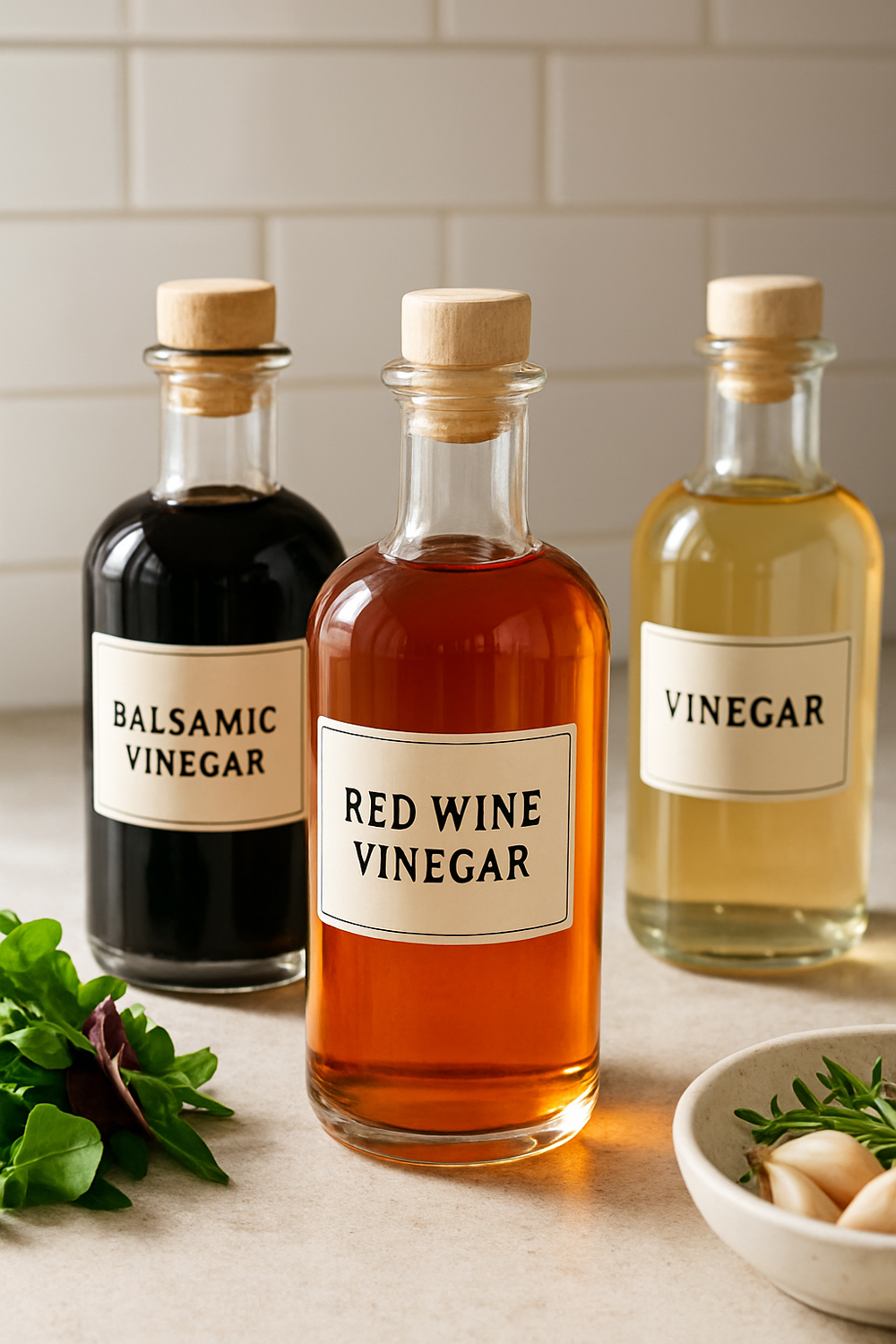
Wondering “can you eat vinegar on disulfiram“? Vinegar is made by fermenting alcohol, so even small residual amounts can prompt a reaction for some.
Common offenders:
- Balsamic, red wine, sherry, and apple cider vinegars
- Salad dressings and condiments with vinegar as a main ingredient
- Pickles and chutneys
- Homemade vinaigrettes with wine vinegars
How to Incorporate Safely:
The disulfiram label lists vinegars among hidden sources of alcohol and names no safe type, so ask your doctor or pharmacist before using any vinegar. Instead, you can use citrus juices or herbal infusions to add tang.
Pro tip: Always ask for ingredients at restaurants or skip vinegary dressings to play it safe.
3. Alcohol-Soaked Desserts and Sweet Treats to Skip
That seemingly innocent slice of tiramisu or fruitcake could spell trouble—desserts often hide alcohol in syrups, glazes, or as flavoring.

Why It’s Risky:
Alcohol baked or soaked into desserts doesn’t always evaporate completely. Even a spoonful can trigger a disulfiram reaction.
Foods to Watch For:
- Tiramisu, rum cake, baba au rhum
- Fruitcakes with spirits
- Cherries jubilee, bananas foster
- Liqueur-filled chocolates
Nutrition insight:
The U.S. Department of Agriculture notes up to 85% of alcohol can remain after flambéing or quick baking (USDA Table of Nutrient Retention Factors).
Pro tip: Choose clearly alcohol-free versions, or make treats at home with certified alcohol-free extracts.
4. Cooking Methods That Retain Alcohol
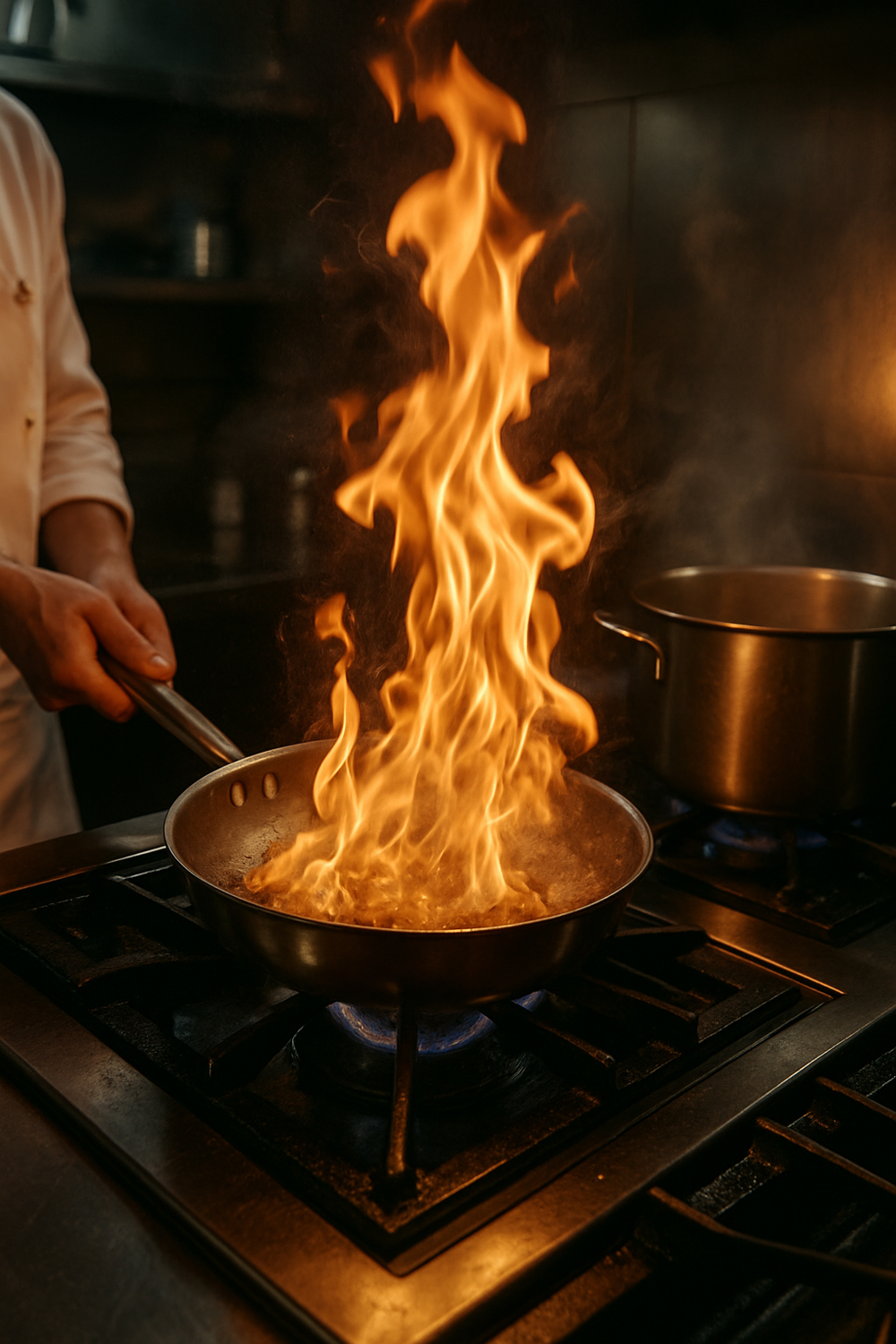
Don’t assume all alcohol cooks off. Cooking wine, beer, and spirits often remain at measurable levels—especially in recipes with short cook times or added late in the process.
Dishes to Avoid:
- Flambéed items (Crêpes Suzette, Steak Diane)
- Stews and sauces simmered with wine or beer
- Dishes deglazed with spirits
Step-by-step:
If a recipe calls for wine or spirits, substitute with grape juice, broth, or alcohol-free alternatives.
“Just 15 minutes of simmering leaves up to 40% of alcohol in a dish,” notes the USDA.
5. Over-the-Counter Medications and Cough Syrups
Many liquid medications contain hidden alcohol as a solvent or preservative, which can interact with Antabuse.

OTC Offenders:
- Liquid cold or cough remedies (NyQuil, some Robitussin varieties)
- Tinctures and some vitamin drops
- Allergy syrups
How to Stay Safe:
Look for “alcohol-free” labeling, ask your pharmacist, or choose tablet forms when possible.
Pro tip: Always check the inactive ingredients list for ethanol, ethyl alcohol, or tinctures.
Who should take extra care?
Children, elderly, and anyone using liquid meds regularly.
6. Personal Care Products
Alcohol doesn’t just come from food—Antabuse mouthwash reaction is serious! Swallowing (and sometimes even absorbing through mucous membranes) can trigger symptoms.

Check these products:
- Mouthwashes (like Listerine, Scope)
- Aftershaves and colognes
- Toners or medicated topical products
Safe practices:
- Choose products labeled “alcohol-free”
- Avoid inhaling sprays or using large quantities on broken skin
7. Sauces and Condiments
Hidden alcohol can lurk in sauces—especially in Asian cuisine or gourmet dips.

Culprits include:
- Soy sauces (traditionally brewed varieties)
- Some mustards and barbecue sauces
- Wine-based reductions
How to reduce risk:
Ask servers about ingredients, and opt for simple, homemade or certified alcohol-free options at home.
Pro tip: If unsure about a product, contact the manufacturer directly or check allergy/ingredient FAQs.
8. Vanilla Extract and Baking Ingredients
Vanilla extract is over 35% alcohol by law in the US. While a few drops may not always provoke a reaction, it’s always better to err on the side of caution.

Common sources:
- Pure vanilla, almond, and other flavor extracts
- Pre-made cake mixes or frostings
Is vanilla extract disulfiram safe?
Synthetic or alcohol-free extracts are a safer bet. Cooking may not eliminate all alcohol—especially if added at the end or in no-bake recipes.
Pro tip: Look for “imitation” vanilla or alcohol-free versions for baking and desserts.
9. Non-Alcoholic Beer and “Alcohol-Free” Products
Many “non-alcoholic” beverages still contain up to 0.5% alcohol by volume—a potential danger for those on Antabuse.
Why They’re Risky:
The label “alcohol-free” doesn’t always mean zero alcohol. Even small amounts accumulate, especially with repeated consumption.
What to look for:
- Near beer, some kombuchas, alcohol-removed wines
- Alcohol-free bitters
Step-by-step approach:
- Read labels carefully for ABV%
- Choose truly zero-alcohol alternatives or sparkling waters
10. Emergency Situations
Mistakes happen—even with the best intentions. Being prepared can make all the difference.

Symptoms may include:
- Flushing, throbbing headache
- Difficulty breathing
- Nausea and vomiting
- Rapid heartbeat
What to do:
- Stop consuming the product immediately.
- Seek medical help if symptoms are severe or worsen.
- Bring any product or packaging with you to the ER for faster identification.
Pro tip: Inform family, friends, and caregivers that you’re taking disulfiram to assure fast action if accidental exposure occurs.
How long should you avoid alcohol after stopping disulfiram?
Alcohol sensitivity can last up to 2 weeks after your last dose. Always consult your doctor before reintroducing any alcohol-containing food or drink.
Key Takeaways and Extra Tips for Living Well With Disulfiram
Being mindful of antabuse food interactions is essential for your safety and recovery. Remember:
- Check labels on all foods, beverages, medications, and personal care items
- When in doubt, skip questionable products—or call your pharmacist or physician
- Symptoms of a disulfiram reaction can be severe, so act quickly if exposure occurs
Two more practical tips:
- Make a quick-reference list of risky foods for family and dining out.
- Whenever possible, opt for whole, minimally processed ingredients—you control exactly what goes in.
Ready to simplify your journey? Explore Nutri Inspector’s alcohol-free recipes, subscribe for weekly wellness guides, or consult our in-depth dietary resources for living confidently and safely with Antabuse. Your health—and peace of mind—are worth every precaution.


