10 Foods to Avoid With Linalool Allergy

Linalool allergy can make even the healthiest foods a hidden hazard. If you have this sensitivity, knowing the linalool allergy foods to avoid is crucial for eating safely and living well. At Nutri Inspector, I’m Cindy Wilson-a certified nutritionist who’s passionate about translating allergy science into practical, real-world advice. Here, you’ll find honest, up-to-date tips to steer clear of linalool-containing foods and confidently manage your linalool allergy diet.

Foods to Avoid With Linalool Allergy
| Food Category | Specific Foods to Avoid | Linalool Content Level | Hidden Sources | Safe Alternatives |
|---|---|---|---|---|
| Citrus Fruits | Oranges, lemons, grapefruits, limes, bergamot | High | Zests, juices, essential oils in foods | Apples, pears, cherries, grapes |
| Fresh Herbs | Basil, mint, coriander leaves, lavender | Very High | Pesto, herb seasonings, teas | Parsley, chives, dill, oregano |
| Spices | Coriander seeds, cinnamon, bay leaves | High | Spice blends, curry powders, baking mixes | Paprika, turmeric, black pepper, cumin |
| Berries | Strawberries, blueberries, blackberries | Moderate | Smoothies, jams, flavored yogurts | Raspberries, cranberries, pomegranates |
| Essential Oil Foods | Lavender chocolates, bergamot cookies, citrus-infused waters | Very High | Artisanal foods, specialty baked goods | Vanilla-flavored items, plain chocolates |
| Beverages | Earl Grey tea, lavender tea, bergamot tea, herbal blends | High | Flavored waters, cocktail mixers | Green tea, chamomile tea, rooibos |
| Processed Foods | Flavored cereals, citrus candies, herbal snacks | Variable | “Natural flavoring” on labels | Plain cereals, unflavored snacks |
| Alcoholic Beverages | Gin, wine (especially Muscat), herbal liqueurs | Moderate to High | Botanical spirits, flavored vodkas | Vodka, rum, whiskey (unflavored) |
| International Foods | Thai basil dishes, Mediterranean herb blends, Indian coriander curries | High | Restaurant dishes, ethnic spice mixes | Garlic-based dishes, tomato-based sauces |
| Cross-Contamination Risks | Restaurant kitchens, shared cooking surfaces, airborne particles | Variable | Cooking vapors, shared utensils | Home cooking, dedicated prep areas |
Scroll sideways to see every column.
1. Citrus Fruits and Zests
Many people are surprised to learn that their favorite citrus fruits-like oranges, lemons, and grapefruits-can be high in linalool. Why? The zest and peel, in particular, are potent sources of this fragrant compound.

**Why it matters:**Linalool naturally occurs in the essential oils found in citrus rinds, not just in the juice or flesh. This means even a sprinkle of zest in a salad, dessert, or drink can trigger reactions for some.
How to manage:
- Skip lemon or orange zest in home cooking.
- Double-check ingredient lists for “natural flavors,” “citrus oil,” or “essential oils,” especially in baked goods and candies.
- Opt for non-citrus fruits like apples or pears.
Who’s most at risk? Anyone with confirmed linalool allergy or unexplained citrus sensitivities. Children’s snacks and candies often contain concentrated citrus oils as well.
“For clients with a linalool allergy, we actively swap out citrus zest with a hint of vanilla or cardamom for safe flavor,” says Cindy Wilson, certified nutritionist.
Pro tip: If cooking with others, ask them to zest away from your meal to prevent cross-contamination.
2. Herbs and Spices
Basil, coriander, thyme, and even bay leaf are some of the most common herbs containing linalool. Spices like nutmeg and cloves can also contain notable amounts.
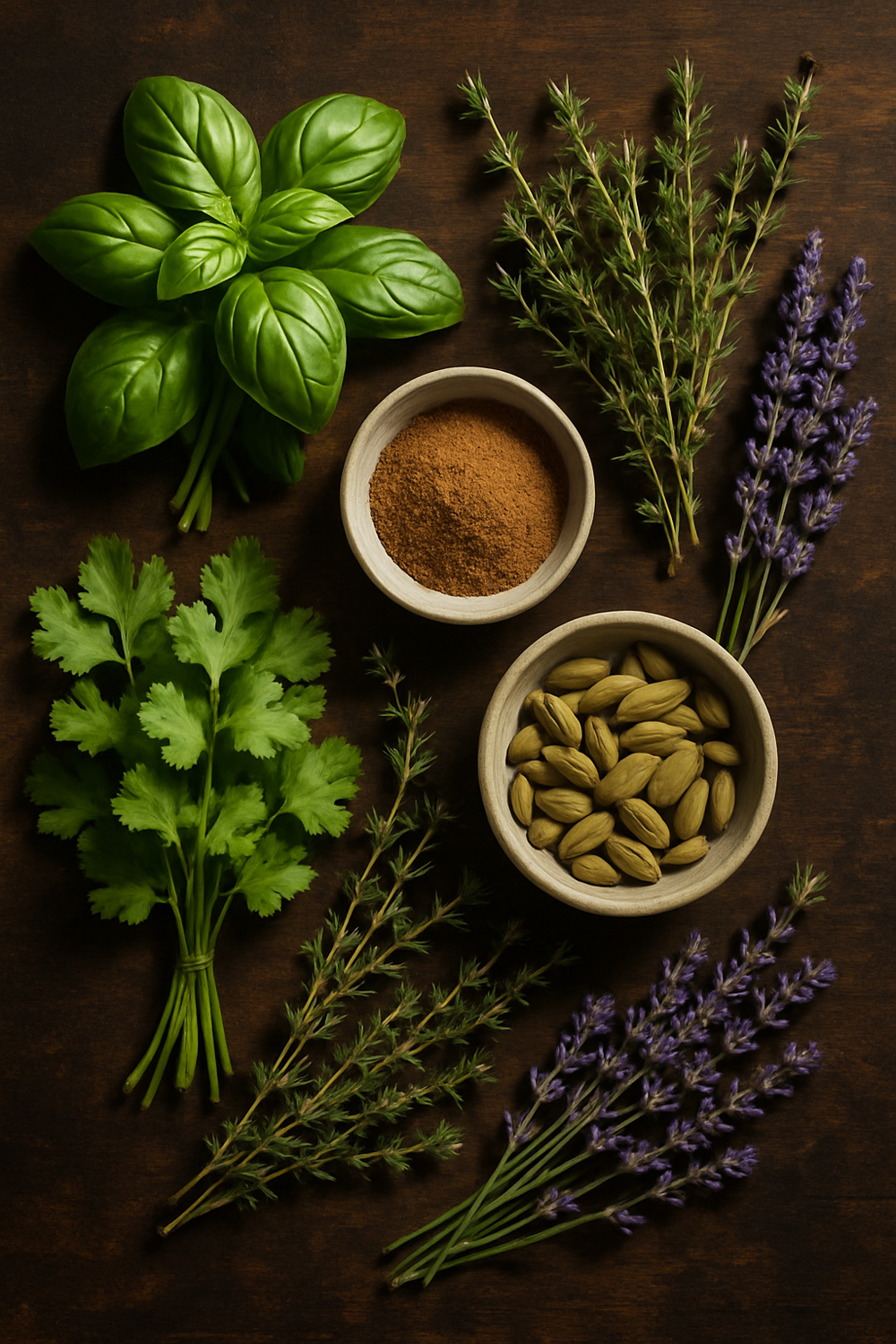
**Why it matters:**Even tiny pinches can trigger symptoms in highly sensitive individuals.
Smart substitutions:
- Swap out basil and coriander for chives or parsley.
- Try spice blends labeled “linalool-free” (always check with manufacturers).
**Who needs extra caution?**Plant-based eaters and home cooks-herbs are everywhere!
**Caution:**Dried spice blends can also include hidden linalool-always read labels meticulously.
Pro tip: Make your own dried herb mixes with safe alternatives.
3. Essential Oil-Infused Foods
More processed foods are now “enhanced” with essential oils for flavor and wellness claims. This is a big red flag if you’re managing linalool food allergies.

Where you’ll find it:
- Gourmet chocolates
- Artisanal ice creams
- Flavored waters and sodas
- Dietary supplements
**Why it matters:**Food-grade essential oils often list “linalool” or “natural aromatic oils” on the ingredient label. Even trace amounts can cause reactions.
**What to do:**Double-check any item advertising “aromatherapy” or “botanical blend.”
Research shows that up to 5% of people with essential oil allergies react to linalool-rich food products (Journal of Allergy, 2021).
4. Berries with Naturally Occurring Linalool
Blueberries, raspberries, and blackberries-surprisingly-can contain minor amounts of natural linalool, due to their aromatic plant compounds.

**Important to know:**While reactions from berries are rare, they remain a risk for those with severe linalool sensitivity.
Best practices:
- Test individual berry types under supervision if your allergy isn’t severe.
- Choose alternate “superfruits” like kiwi or apple.
Pro tip: Cooked or baked berries may have slightly less linalool, but not enough to be considered safe for all.
5. Processed Foods and Hidden Flavoring Agents
“Natural flavors” and “aromatic extracts” listed on processed food labels can be code for many compounds, including linalool.

Where it hides:
- Snack bars
- Ready-made sauces
- Candy and chewing gum
- Breakfast cereals
**How to be safe:**If the origin of the flavoring is not fully disclosed, contact the brand or choose certified “allergen-free” options.
**Who’s at risk:**Anyone eating from vending machines or pre-packaged meals.
Pro tip: Download a food label scanner app to cross-check for potential allergens.
6. Tea and Herbal Beverages
Certain flavored teas-like Earl Grey (which contains bergamot) and herbal blends with lavender or lemon verbena-can carry substantial linalool loads.

**Why it matters:**Even “natural” or “herbal” teas may use aromatic oils added after drying.
How to enjoy warm drinks safely:
- Opt for plain black or green tea without added flavors.
- Try rooibos or safe herbal infusions like peppermint.
**Caution:**Always ask about added flavorings at cafés and coffee shops.
7. Cross-Contamination Risks in Restaurant and Commercial Kitchens
Dining out increases the risk of unintentional linalool exposure, especially in places using citrus zest, herb mixes, or essential oil garnishes.

Why this deserves attention:
- Shared prep surfaces or utensils can transfer linalool residues.
- Sauces or salads often have undisclosed citrus or herb oils.
Tips for safer dining:
- Let your server know about the specific “linalool allergy” (use the scientific name!).
- Ask if house-made dressings or desserts contain citrus zests or herbal oils.
- Consider restaurants experienced with allergen-aware meal preparation.
“Transparency with your allergy diagnosis can prevent accidental exposure-knowledgeable restaurants can accommodate unusual food sensitivities,” advises Cindy Wilson, certified nutritionist.
8. Alcoholic Beverages
Fermented and flavored drinks like wine, some beers, and herbal liqueurs often contain linalool, either from botanical infusions or fruit peel extracts.

Why it matters:
- Linalool can both occur naturally (in grapes or beer hops) and be added for aroma.
- Craft spirits may use citrus or floral botanicals in distillation.
Smart choices:
- Choose plain spirits like unflavored vodka or gin with confirmed safe botanicals.
- Avoid “citrus,” “herbal,” or “botanical” labeled cocktails unless you know the exact ingredients.
Pro tip: At bars, request ingredient lists or stick to trusted brands.
9. International Foods and Ethnic Cuisines with High Linalool Content
Global cuisines often feature linalool-rich herbs and spices: think Thai (basil, coriander), Mediterranean (bay leaf, oregano), and Indian (cardamom, nutmeg).

Why consider this:
- Dishes may use both fresh herbs and essential oil extracts for flavor.
- Ingredient disclosure isn’t always standard in international restaurants.
Navigating safely:
- Research or ask about specific dishes before ordering.
- Choose plainly spiced dishes and those without citrus/herbal sauces.
10. Safe Cooking Alternatives and Linalool-Free Substitutions
Living with a linalool allergy is about empowerment, not deprivation! There are plenty of linalool-free foods and flavors.

Easy swaps:
- Lemongrass or ginger instead of citrus zests
- Parsley, dill, or green onions in place of basil and coriander
- Pure extracts (like vanilla or almond-verify origin) for safe baking
Step-by-step substitution guide:
- Identify your favorite dishes with linalool-rich ingredients.
- Swap for listed alternatives above.
- Adjust seasoning and test to find your perfect safe blend!
Pro tip: Make a “safe foods” master list and post it on your fridge for quick check-ins.
Conclusion: Your Linalool Allergy Diet-Simple, Safe, and Delicious
Managing a linalool allergy is all about vigilance and making thoughtful food swaps. From avoiding hidden citrus zests to double-checking teas and spice blends, careful ingredient reading is your best friend. Remember, you can still eat delicious, varied meals without the worry.
Extra tips to stay safe:
- Stay up-to-date with allergen alerts and manufacturer updates.
- Keep antihistamines or your allergy action plan handy when trying new foods.
Ready to explore allergy-friendly recipes and expert kitchen tricks? Subscribe to Nutri Inspector for more safe, evidence-based guides-or check our allergy-friendly cooking section for creative meal ideas today!