
10 Foods to Avoid with Pityriasis Alba in Kids

The bottom line
This page groups pityriasis alba with eczema-like conditions. No one knows what causes atopic dermatitis, the most common type of eczema. For eczema, NIH advice centers on a daily skin care routine and on talking to your doctor about potential food allergies. Do not cut dairy or gluten from a child's diet on your own: avoiding foods without a doctor's advice can leave the diet short of calcium and iron.
This is general information, not medical advice. Ask your doctor or pharmacist about your own situation.
Key takeaways
- Eczema treatments may include medicines, skin creams, light therapy and good skin care.
- A growing child needs vitamin D and calcium to build strong bones. Cow's milk and fortified dairy alternatives are good sources from 12 months on.
- A health care provider checks for a food allergy, with skin or blood tests, a food elimination diet or an oral food challenge.
- Talk with a doctor about celiac disease testing before starting a gluten-free diet. Avoiding gluten first can make the test results inaccurate.
- A healthy diet for children has plenty of fruits and vegetables and whole grains, with limits on fast food and sugary drinks.
Understanding the pityriasis alba diet is key for parents whose children struggle with white, scaly patches on their face or arms. At Nutri Inspector, I’m Cindy Wilson, a certified nutritionist passionate about translating science into simple, honest advice for families. Below, you’ll find tips on the foods this article covers and the top dietary triggers to avoid if your child has pityriasis alba. No one knows what causes atopic dermatitis, the most common type of eczema, so talk to your child's doctor about potential food allergies before you remove any food from your child's diet.

Foods to Avoid with Pityriasis Alba
| Food Category | Specific Foods to Avoid | Claimed Effect | Inflammation Level | Better Alternatives |
|---|---|---|---|---|
| Sugar & Refined Carbs | Candy, white bread, sugary cereals, cookies | Promotes inflammation and slows healing | High | Whole grains, fresh fruits |
| Dairy Products | Whole milk, cheese, ice cream, butter | Saturated fats trigger inflammatory response | Medium-High | Plant-based milks, coconut yogurt |
| Spicy Foods | Hot sauce, chili peppers, spicy salsa | Capsaicin irritates sensitive skin | High | Mild herbs, gentle seasonings |
| Citrus & Acidic Foods | Oranges, lemons, vinegar, pickles | High acid content increases skin sensitivity | Medium | Low-acid fruits like apples, pears |
| Processed Foods | Packaged snacks, artificial colors, preservatives | Chemical additives trigger allergic reactions | High | Fresh, whole foods |
| High-Histamine Foods | Chocolate, aged cheese, fermented foods | Histamine release worsens inflammation | Medium-High | Fresh vegetables, lean proteins |
| Nightshade Vegetables | Tomatoes, peppers, eggplant, potatoes | Natural compounds may trigger inflammation | Medium | Leafy greens, carrots, squash |
| Gluten-Containing Foods | Wheat bread, pasta, crackers, cereals | May worsen inflammation in sensitive children | Medium | Gluten-free grains, rice, quinoa |
| Hot Beverages | Hot chocolate, spiced teas, very hot drinks | Heat promotes vasodilation and irritation | Low-Medium | Room temperature or cool drinks |
| Fast Food & Trans Fats | French fries, burgers, fried chicken | Trans fats cause systemic inflammation | Very High | Home-cooked meals, baked foods |
Scroll sideways to see every column.
1. Inflammatory Sugar and Refined Carbs That Worsen Skin Patches
A diet high in sugar and refined carbohydrates is worth limiting for any child, including kids dealing with pityriasis alba or other eczema-like conditions.

Why are these foods problematic? Refined carbs (think white bread, pastries, sweet cereals, and soda) cause rapid spikes and drops in blood sugar, leading to insulin surges.
How to swap them out:
- Replace white rice with brown rice or quinoa.
- Choose whole fruit over fruit juices.
- Reduce cookies and candies, opting instead for snacks like apple slices or yogurt (if tolerated).
Who should be extra cautious? Kids with a family history of eczema, sensitive skin, or anyone recovering from skin flare-ups.
Pro tip: Keep breakfast low in refined grains—for example, try steel-cut oats with berries, instead of sugary cereals.
2. Dairy Products
Many parents notice dairy foods—such as milk, cheese, and ice cream—worsen their child’s white skin patches. But milk and milk products are some of the main sources of calcium and vitamin D, which a growing child needs to build strong bones. If you think milk is a problem, talk to your child's doctor about potential food allergies before you remove it.

How to test dairy’s effect:
- Keep a food and symptom diary for two weeks.
- Gradually swap cow’s milk with fortified oat or almond milk.
- Look for skin improvements during periods dairy is excluded.
Pro tip: Children need bone-building nutrients, so if skipping dairy, ensure they get enough calcium and vitamin D from alternatives.
Caution: Not all children react to dairy. Eliminate only if you suspect a link, and discuss big diet changes with your pediatrician.
3. Spicy Foods and Hot Sauce
Spicy foods (think curry, pepper, chili flakes, or Sriracha) can stimulate blood flow to the skin and may increase sensitivity, redness, and itchiness—potentially aggravating pityriasis alba patches.

Spicy ingredients also trigger histamine release in certain children, which increases skin reactivity and triggers scratching habits. This is especially relevant for older children and teens, who might enjoy more adventurous flavors.
Steps to minimize irritation:
- Limit hot sauce, chili powder, and pepper-based snacks.
- Watch how your child’s skin reacts to meals.
- Focus on gentler seasoning—like basil, oregano, or parsley.
Best for: Young children, children with atopic dermatitis, or anyone prone to redness after meals.
Pro tip: Try non-spicy ethnic dishes—many are still flavorful and kid-friendly!
4. Citrus Fruits and Acidic Foods That Irritate Sensitive Skin
Citrus fruits (oranges, lemons, grapefruits) and highly acidic foods (tomatoes, pineapples, pickles) can irritate sensitive skin, particularly around the mouth and cheeks—where pityriasis alba often appears.

How to tell if acids are a trigger:
Notice if patches appear or worsen after eating oranges, strawberries, or drinking lemonade.
Alternatives:
- Choose low-acid fruit like bananas, pears, or cantaloupe.
- Dilute fruit juices or avoid direct skin contact when handling citrus.
Pro tip: Teach children to rinse their mouth or gently wipe their face after eating acidic foods.
5. Processed Foods with Chemical Additives and Preservatives
Many processed foods (snack chips, packaged sweets, deli meats) contain artificial additives, dyes, and preservatives that can act as hidden saboteurs for sensitive, patchy skin.
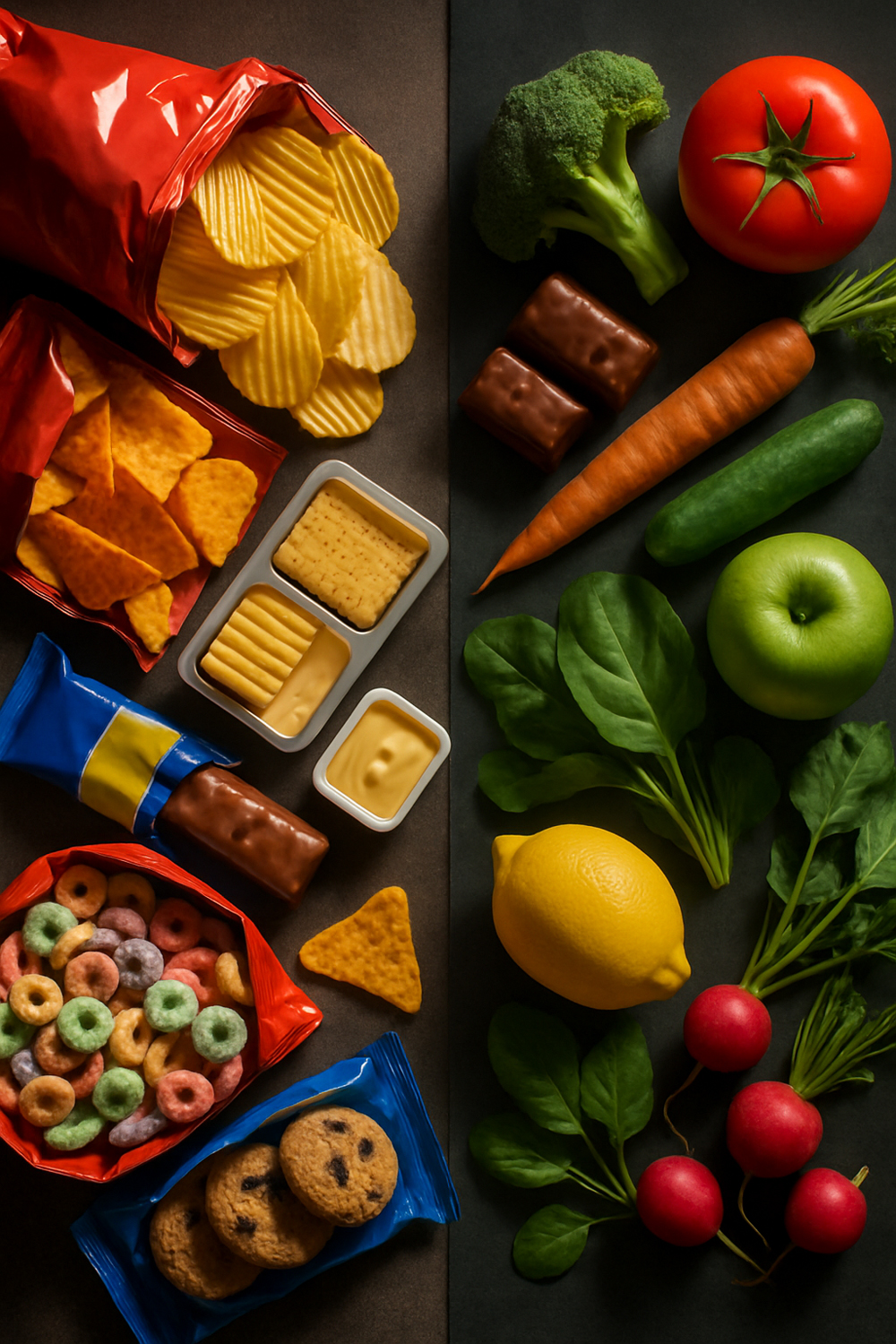
Why avoid them? Some people are sensitive to a color additive. For example, FDA says FD&C Yellow No. 5 may cause symptoms such as itching and hives in some people, and labels must list it.
Easy swaps:
- Choose unprocessed, whole foods for snacks—think veggie sticks, hard-boiled eggs, or homemade popcorn.
- Learn to read nutrition labels—skip anything with long, hard-to-pronounce ingredient lists.
- Prepare more meals at home to have control over ingredients.
Pro tip: Involve your child in healthy snack prep—they’re more likely to eat (and love) whole foods that benefit their skin!
6. Chocolate and High-Histamine Foods to Eliminate
For some children, chocolate and other high-histamine foods (aged cheeses, cured meats, fermented foods) can provoke or worsen inflammatory skin conditions.

Histamines, naturally present in these foods, may lead to itching, redness, or even flares of white patches in children already prone to skin reactivity.
Signs of a reaction:
- Patches appear more often after consuming chocolate, cheese, or processed meats.
- Increased scratching or discomfort post-snacks.
Best options: Swap milk chocolate for a piece of fruit, and avoid heavily fermented foods during flare-ups.
Pro tip: If you suspect a food plays a role, talk to your child's doctor about potential food allergies before you remove foods.
7. Tomato-Based Products and Nightshade Vegetables to Limit
Nightshade vegetables like tomatoes, potatoes, peppers, and eggplant contain alkaloids that can aggravate inflammatory skin conditions in susceptible children.

Tomato sauce on pizza, ketchup, or potato chips are common kid favorites that might be contributing to skin irritation.
How to minimize:
- Use pesto or olive oil on pasta instead of tomato-based sauces.
- Try mashed sweet potatoes rather than white potatoes.
- Watch portion sizes when serving pizza or tomato-based soups.
Pro tip: Track your child’s response—if you see a pattern, introduce veggie diversity with peas, carrots, and zucchini instead.
8. Gluten-Containing Foods That May Worsen Skin Conditions
Gluten (found in wheat, barley, and rye) may, in some cases, be linked to skin inflammation and white patches, especially in children with underlying sensitivities or those with other autoimmune skin conditions.

Key foods to watch:
- Regular bread, pasta, baked goods, and cereals
- Snack foods that use wheat flour as a filler
Who benefits: Those with frequent GI issues, clear wheat sensitivities, or an autoimmune family history should talk with a doctor about testing for celiac disease before starting a gluten-free diet, because avoiding gluten before testing can make the test results inaccurate.
Caution: Gluten-free diets can lack fiber and key B vitamins—balance with fruits, veggies, and gluten-free whole grains like quinoa or brown rice.
9. Alcohol and Hot Beverages That Promote Skin Inflammation
This tip is most relevant for teens, adults, or households with older children. Both alcohol and hot beverages (like very hot tea, coffee, or hot chocolate) temporarily dilate blood vessels, increase warmth, and make the skin more reactive.

While young children shouldn’t be exposed to alcohol, they may still be affected by very hot drinks—these can worsen facial flushing or amplify irritation on existing white patches.
Tips:
- Serve drinks warm, not hot.
- Avoid giving caffeinated teas or hot cocoa during skin flare-ups.
- Educate teens about how alcohol impacts skin health.
Pro tip: Keep hydration skin-friendly by offering cool herbal teas or water infused with cucumber slices.
10. Fast Food and Trans Fats
Fast foods (fries, chicken nuggets, burgers) and those high in trans fats are best limited as part of a healthy diet for any child.

How to avoid:
- Limit fast-food visits to special occasions.
- Cook at home using healthy fats (olive oil, avocado, nuts).
- Offer fun homemade alternatives, like baked sweet potato fries or veggie nuggets.
Pro tip: Get children involved in shopping and prepping for meals—they’re more likely to embrace healthier options when part of the process.
Conclusion: Nutrition Matters for Calm, Healthy Skin
Pityriasis alba may be common, but no food list replaces a visit to your child's doctor, who can examine the skin and talk with you about potential food allergies. The essentials:
- Limit fast food and sugary drinks, but do not cut dairy or gluten from your child's diet without advice from a doctor, because the diet may then not provide enough nutrients such as calcium and iron.
- Swap in anti-inflammatory choices: foods rich in omega-3s (like flaxseeds and salmon), lots of colorful veggies, and whole grains support healing and minimize flare-ups.
Two bonus tips:
- Ensure your child’s diet provides vitamin D, zinc, and iron.
- Encourage a gentle skincare routine alongside dietary changes for faster results.
Ready for more? Explore our tailored kid-friendly skin-healthy recipes or sign up for Nutri Inspector’s newsletter for practical tips on pediatric nutrition and eczema management. Your child’s skin—nourished, nurtured, and healthy—starts at the table!


