
From Self-Medication to Self-Nourishment: Using Food to Enhance the Recovery Journey

The bottom line
Substance use disorders are chronic, treatable disorders from which people can recover. There are safe, effective medications and psychotherapies (behavioral therapy, counseling) for treating them. This article also advises seeking support from friends, family, or a therapist.
This is general information, not medical advice. Ask your doctor or pharmacist about your own situation.
Key takeaways
- Treatments for substance use disorders can help a person stop or reduce their drug use and help prevent a return to use (relapse).
- Counseling or psychotherapy, sometimes called behavioral therapies, are the most common treatments for substance use disorders.
- There are FDA approved medications to treat some, but not all, substance use disorders.
- For referrals to substance use and mental health treatment programs, call the SAMHSA National Helpline at 1-800-662-HELP (4357).
- A balanced diet and plenty of water can improve your energy and focus throughout the day.
A journey to better health often starts with a simple yet impactful step: changing what we eat. Modifying our food choices can profoundly affect our well-being, influencing everything from physical health to emotional stability. That is particularly true for individuals in recovery, especially addiction recovery, where the shift from self-medication to self-nourishment marks a significant turning point. In this context, the food we consume does more than just fill a physical need – it becomes an integral part of the healing process. Focusing on using food to enhance the recovery journey opens doors to a more balanced and healthy lifestyle, setting a strong foundation for long-term wellness.
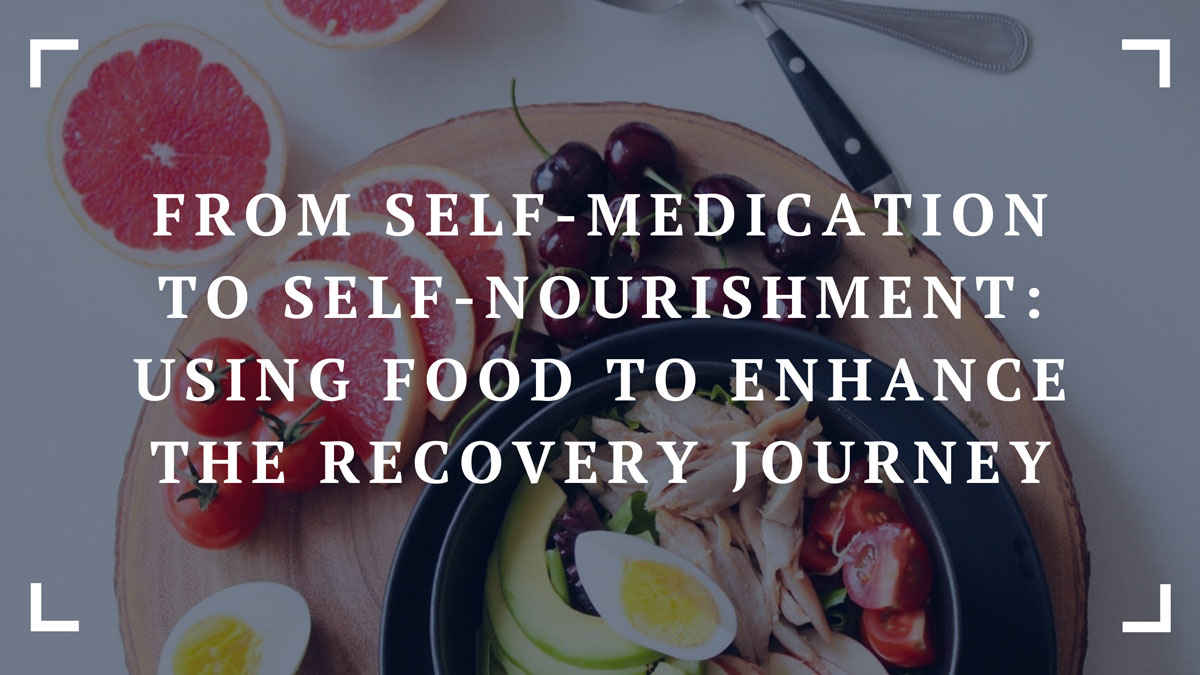
The Role of Nutrition in Recovery
Nutrition plays a major role in our journey toward recovery, whether it’s overcoming addiction, managing mental health challenges, or simply striving for a healthier lifestyle. When prioritizing nourishing our bodies with wholesome foods, we provide the building blocks for physical and mental well-being.
In the context of addiction recovery, where the body and mind have been strained by substance abuse, proper nutrition becomes even more important. After all, true healing can only take place when we have the energy to heal. And what better way to get that energy than by fueling the body with nutritious food? Addiction treatment facilities, with Recovery Beach serving as a prime example, have recognized the connection between nutrition and overall wellness. That’s why they approach recovery holistically. In other words, they focus on treating the whole person, not just symptoms of addiction, and do it successfully by integrating nutrition counseling with standard forms of therapy.
Transforming Habits: From Harm to Healing
Transitioning from harmful habits to healing practices is a significant step in recovery. For many, this shift involves reevaluating not only their relationship with medication but also their approach to nutrition and self-care. Making the conscious decision of using food to enhance the recovery journey over self-medication or using other substances that may have previously provided temporary relief is empowering. It’s about recognizing that true healing comes from within, and that starts with the choices we make each day.
For instance, by incorporating healthy breakfast recipes into your morning routine, you set a positive tone for the rest of the day. These recipes can be simple yet satisfying, providing the energy and nutrients your body needs to thrive. Whether it’s a hearty bowl of oatmeal topped with fresh fruit or a nutrient-packed smoothie, breakfast becomes a ritual of self-care and nourishment. As you embrace this transformation, you’ll find that food is more than fuel. It becomes a source of healing and restoration.
Essential Nutrients for Recovery
When focusing on recovery from illness, surgery, or addiction, it’s important to ensure that your body receives the essential nutrients it needs to heal and thrive. Here are some key nutrients to prioritize:
- Proteins: The building blocks of life, proteins, are essential for repairing tissues and supporting muscle growth. Include lean meats, poultry, fish, beans, and tofu.
- Vitamins: Vitamins play various roles in the body, from boosting immunity to supporting brain function. Incorporate a variety of fruits and vegetables to get a broad range of vitamins, such as vitamin C from citrus fruits and vitamin A from leafy greens.
- Minerals: Calcium, magnesium, and zinc are important for bone health, nerve function, and immune support. Include dairy products, nuts, seeds, and whole grains in your meals to provide an adequate intake of minerals.
- Omega-3 fatty acids: These healthy fats have anti-inflammatory properties and support brain health. Add fatty fish like salmon, flaxseeds, chia seeds, and walnuts to your diet to boost your omega-3 intake.
- Fiber: Fiber aids digestion, regulates blood sugar levels, and promotes satiety. Include plenty of fruits, vegetables, whole grains, and legumes to increase your fiber intake.
- Antioxidants: These compounds help protect cells from damage caused by free radicals, supporting overall health and recovery. Enjoy colorful fruits and vegetables and antioxidant-rich beverages like green tea.
- Complex Carbohydrates: Carbohydrates provide the body with energy, but not all carbs are created equal. Choose whole grains like quinoa, brown rice, and oats, rich in fiber and nutrients, over refined grains.
- Hydration: Water is the base for overall health and recovery. Aim to drink plenty of water throughout the day to stay hydrated.
Practical Tips: Using Food to Enhance the Recovery Journey
Incorporating practical tips for using food as a tool for healing can make a significant difference in any recovery. First and foremost, it’s important to acknowledge food’s role in our lives and approach eating with mindfulness and intention. Instead of misusing medicines or other substances for comfort or escape, consider how food can nourish and support your body and mind. One practical tip is to incorporate whole, nutrient-dense foods, such as fruits, vegetables, lean proteins, and whole grains, into your meals. These foods provide the vitamins, minerals, and antioxidants that promote well-being.
At the same time, meal planning and preparation help you have healthy options readily available, reducing the temptation to reach for unhealthy snacks or comfort foods. Plus, experimenting with new recipes and flavors can make eating more enjoyable and satisfying.
Ultimately, don’t underestimate the power of community and support regarding food and recovery. Sharing meals with loved ones or joining a cooking class can foster connections and provide a sense of belonging, enhancing the overall recovery journey. Making small, practical changes to your relationship with food can improve your recovery journey and pave the way for long-term health and happiness.
Overcoming Challenges: Food and Recovery
During recovery, overcoming challenges related to food can be particularly daunting. One of the biggest hurdles is letting go of the self-medication mindset and finding healthier coping mechanisms. This shift requires patience, self-awareness, and a willingness to try new approaches. Cravings for familiar comfort foods or addictive substances may arise, but finding alternative ways to manage stress or emotions can help navigate these moments.
It’s also important to address any underlying issues or triggers that may be driving unhealthy eating habits, whether it’s boredom, loneliness, or unresolved trauma. Seeking support from friends, family, or a therapist can provide guidance and encouragement.
In addition, practicing self-compassion and forgiveness is important when facing setbacks or relapses, especially regarding addiction recovery. Remember that recovery is a journey, and each day presents an opportunity to make positive choices for your well-being. By confronting challenges head-on and learning from them, you can continue to grow and thrive on your path.
Embracing Food in Your Recovery
Using food to enhance the recovery journey you are set on is not just about nourishing your body—it’s also about nourishing your mind and spirit. By making mindful food choices, prioritizing self-care, and seeking support, you can empower yourself to overcome challenges and embrace a healthier, happier life. Every meal is an opportunity for growth and healing, so savor each bite and celebrate your progress. With determination and compassion, you can harness food’s transformative power to fuel your wellness journey.


