
Welcome to Nutri Inspector
by Cindy Wilson, BS, Dietetics and Nutrition
By joining Nutri Inspector community, you will learn:
- The terrible problems with 21st century eating
- The 20 BEST superfoods, explained!
- Why eating more FAT could actually make you healthier
- Simple to apply health & nutrition tips

Featured in



Meet the editor
Cindy Wilson
BS, Dietetics and Nutrition
Hey there, I’m Cindy Wilson, owner and lead editor in chief here at Nutri Inspector. After realizing that processed foods have such a bad impact, I decided to make big changes in my kitchen & nutrition. My aim here is to share everything I have learned on my path to a healthier, longer, and happier lifestyle…
Reviews
Find local help near you
City by city lists of local health and nutrition businesses, ranked on public Google ratings and review counts.
- IV Therapy Clinics
- Nutritionists and Dietitians
- Weight Loss Clinics
- Meal Prep Services
How the lists are ranked: only businesses rated 4.0 stars or more on Google are listed, and a rating backed by many reviews counts for more than a perfect score from a few.
Browse by city
- Ann ArborMichigan
- AshevilleNorth Carolina
- AtlantaGeorgia
- AustinTexas
- BendOregon
- BoiseIdaho
- BoulderColorado
- CharlotteNorth Carolina
- ChicagoIllinois
- DallasTexas
- DenverColorado
- HoustonTexas
- Los AngelesCalifornia
- MinneapolisMinnesota
- NashvilleTennessee
- New YorkNew York
- PhiladelphiaPennsylvania
- PhoenixArizona
- PortlandOregon
- RaleighNorth Carolina
- SacramentoCalifornia
- Salt Lake CityUtah
- San AntonioTexas
- San DiegoCalifornia
- San JoseCalifornia
- Santa BarbaraCalifornia
- SarasotaFlorida
- ScottsdaleArizona
- SeattleWashington
- TampaFlorida
Nutrition & Diet
What we fuel our bodies with is what our health looks like. Nutrition and proper diet are the most important pillars of a healthy lifestyle. In this section, I will mostly publish well-researched facts and recommendations that can improve your meal structure.
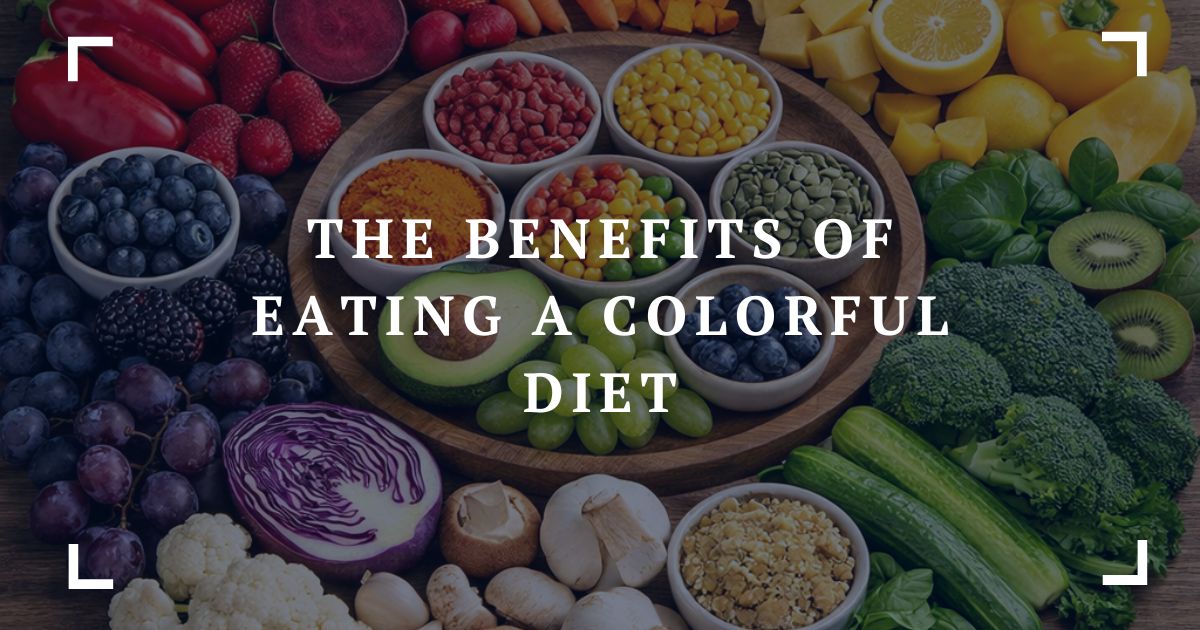


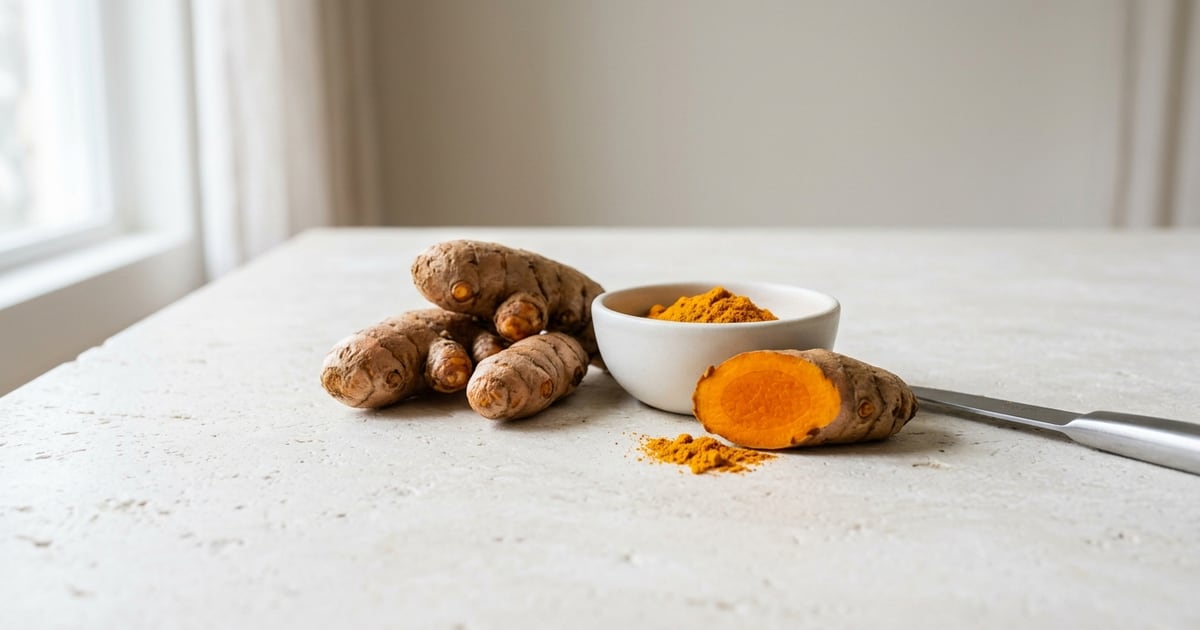
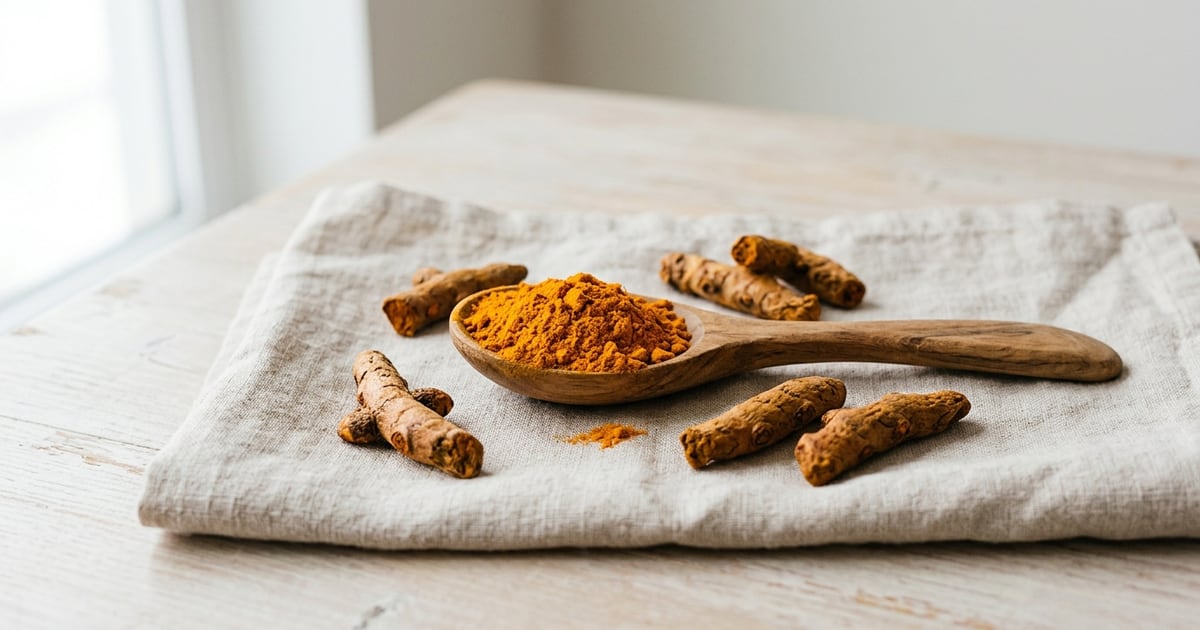
Natural Herbs for Weight Loss
If you are looking for natural solutions to lose weight then Natural Herbs are the perfect choice for you. In my research, I am bringing you the 10 best natural herbs & spices you can use in your nutrition daily and start losing weight. These herbs will help you curb your appetite, fasten your metabolism, and provide you with many other health benefits. For each of these herbs, I will give you additional information with all benefits, recipes, dosage instructions, and where to buy the best brands.

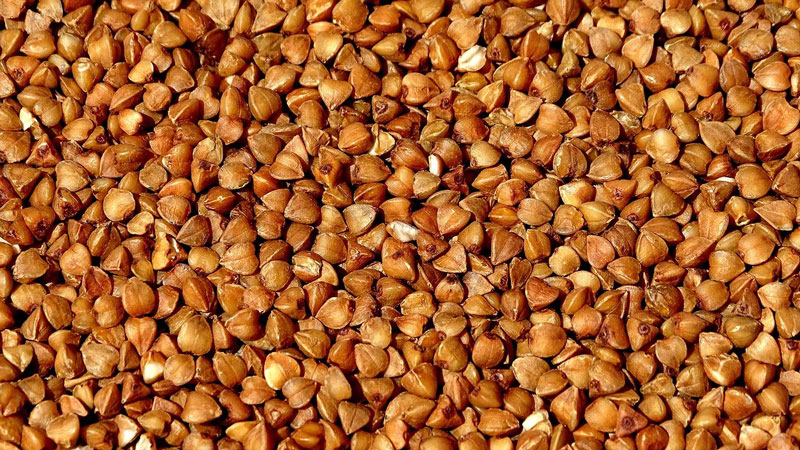


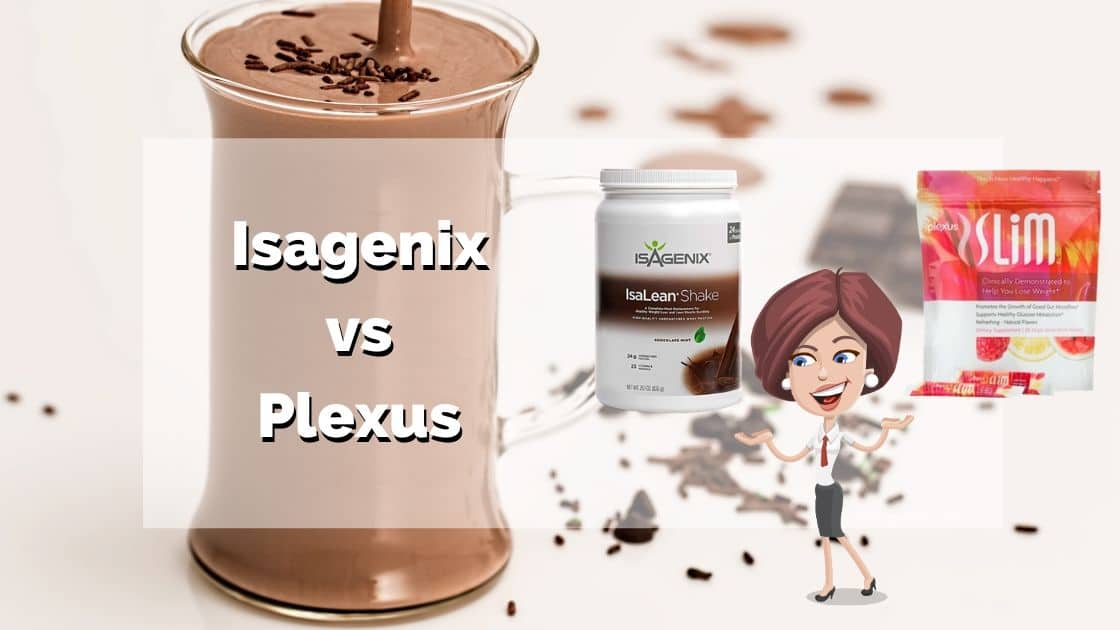
Meal Replacement Shakes for Weight Loss
If you don’t have time to prepare your healthy meals and you are looking for drinks that will curb your appetite, then meal replacement shakes are the right solution for you. Whether you are looking to lose weight with diets or build muscles with protein diets my list of only the best meal replacement drinks will be helpful. I review and reveal only the top choices in the market and I divide them into different groups as per your diet or nutrition needs: Vegan, Paleo, Low Carb, High Protein, Organic, Gluten-Free.




Healthy Living
Achieve a healthier and happier you with our Healthy Living section! Discover the latest information, tips, and strategies related to health and wellness, including physical fitness, nutrition, mental health, and mindfulness. Start your journey towards a better you today!


Best Kitchen Tools
The kitchen is the newest topic I introduced to readers of my blog, as it is one of the favorite home places for many of us. We all want to have our kitchen equipped with only the best kitchen tools, gadgets, and utensils. Below I will present you only the highest quality kitchen accessories and review them honestly from my perspective:




How we research and write
Read how articles on this site are researched, written and kept up to date. Spotted a mistake? Tell us and we will check it.